

Jannieke
During the first few weeks of my pregnancy, we ended up at Aan de Laak. Our first thought was, “That’s the place for us!“ And we were right! The first phone call, asking if we could…

As you've already heard in the previous videos, the contractions are getting stronger. That means they're becoming more effective, but also more intense—or more painful.
Because the intensity of the WW increases gradually, you can slowly get used to the pain. It starts at one level, and you get used to that. Then it goes up a notch… You get used to that, too… and so on.
The sensation of pain you feel can vary. There are several ways to make the pain more manageable.
Sometimes the above measures won't be enough, and more will be needed. In that case, there are other pain relief options available. These aren't automatically offered right away because they can also have side effects. But if needed, it's good to know they're there!
The type of pain relief available depends on the stage of labor. We will, of course, provide you with more information about this.
For the following two pain relief options, you’ll need to go to the hospital, and we’ll have to transfer your care. Before you can receive this pain relief, you’ll need to undergo a CTG for at least 20 minutes. A CTG is a fetal heart monitor, used as an additional check on the baby’s condition. After the CTG, another internal exam will be performed to assess how far dilated you are. If you’re ready to push at that point, you will no longer be able to receive pain relief. Otherwise, based on how far dilated you are, the doctor or midwife will advise you on which pain relief option seems best for you at that moment. You may choose which pain relief option you prefer.
It is effective for 2 to 4 hours. If they don't expect you to be ready to push by then, they won't choose this medication.
One side effect is that your breathing may slow down. This requires additional monitoring.
Remifentanil can therefore only be administered in a medical setting. Not at home or at the birthing center.
Complications or side effects may occur. These can include headaches, fever, a drop in blood pressure, loss of bladder function, and itching.
For this reason, you will be given an IV and a catheter, and you and your baby will be monitored more closely using a CTG. This also requires a transfer.
More information, including videos, about the various forms of pain management can be found at www.deverloskundige.nl. The pros and cons of the different types of pain relief are listed here; it’s a good idea to take a moment to review them.
All the information you need about pain during childbirth. How can you cope with pain during childbirth? What can make the pain more manageable? Information about medication for pain relief during childbirth.
During the first few weeks of my pregnancy, we ended up at Aan de Laak. Our first thought was, “That’s the place for us!“ And we were right! The first phone call, asking if we could…
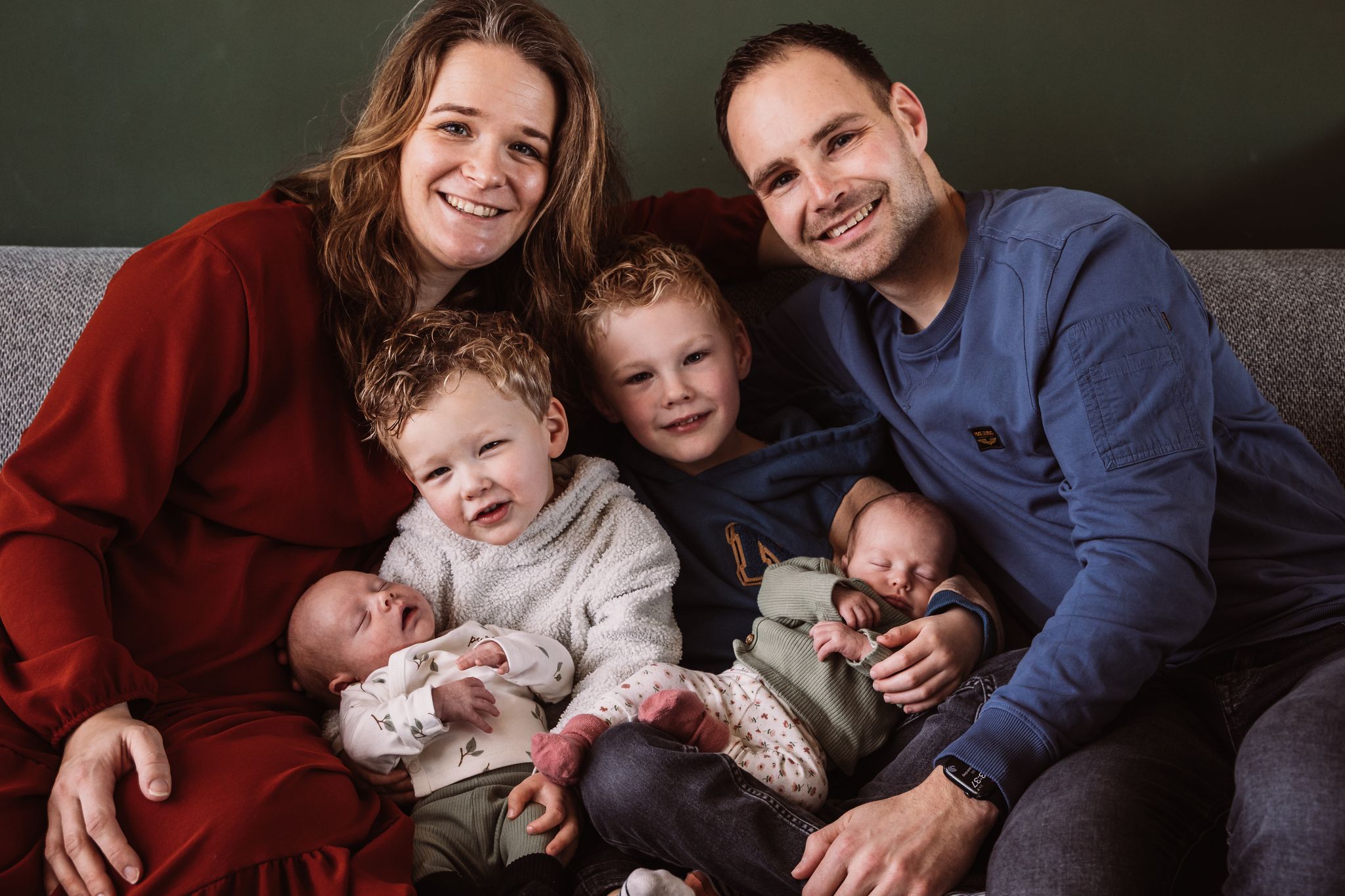
The ladies at Aandelaak were my midwives during three pregnancies. During the first two, I also attended the Centering Pregnancy sessions, which I highly recommend, by the way! The ladies are personable, warm, decisive, friendly, well-informed, and genuine…
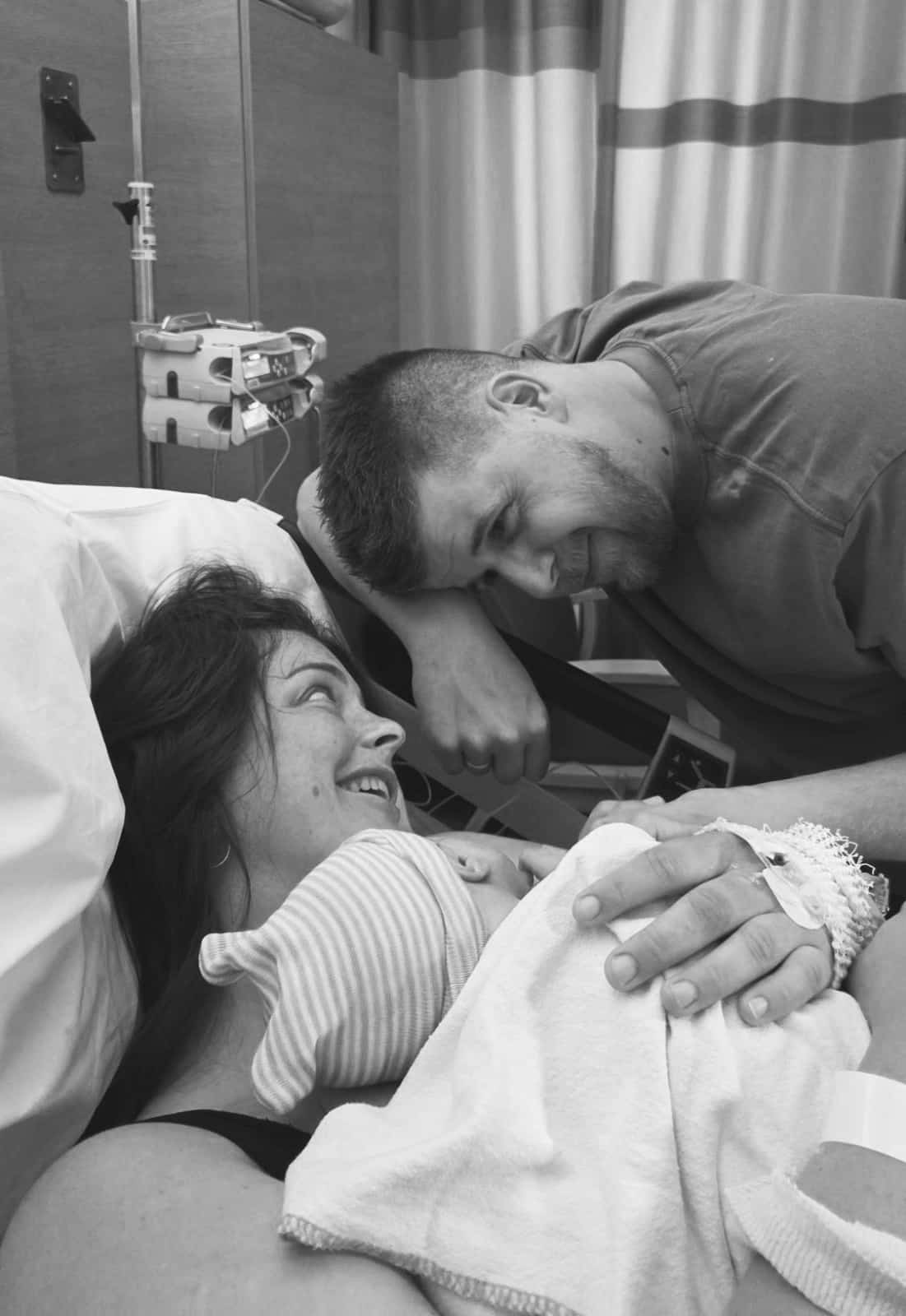
I’m so happy with the ladies at Aan de Laak. I had a challenging high-risk pregnancy, and they supported us incredibly well, both during and after the birth. I also really enjoyed the centering sessions, and we’re still in touch…