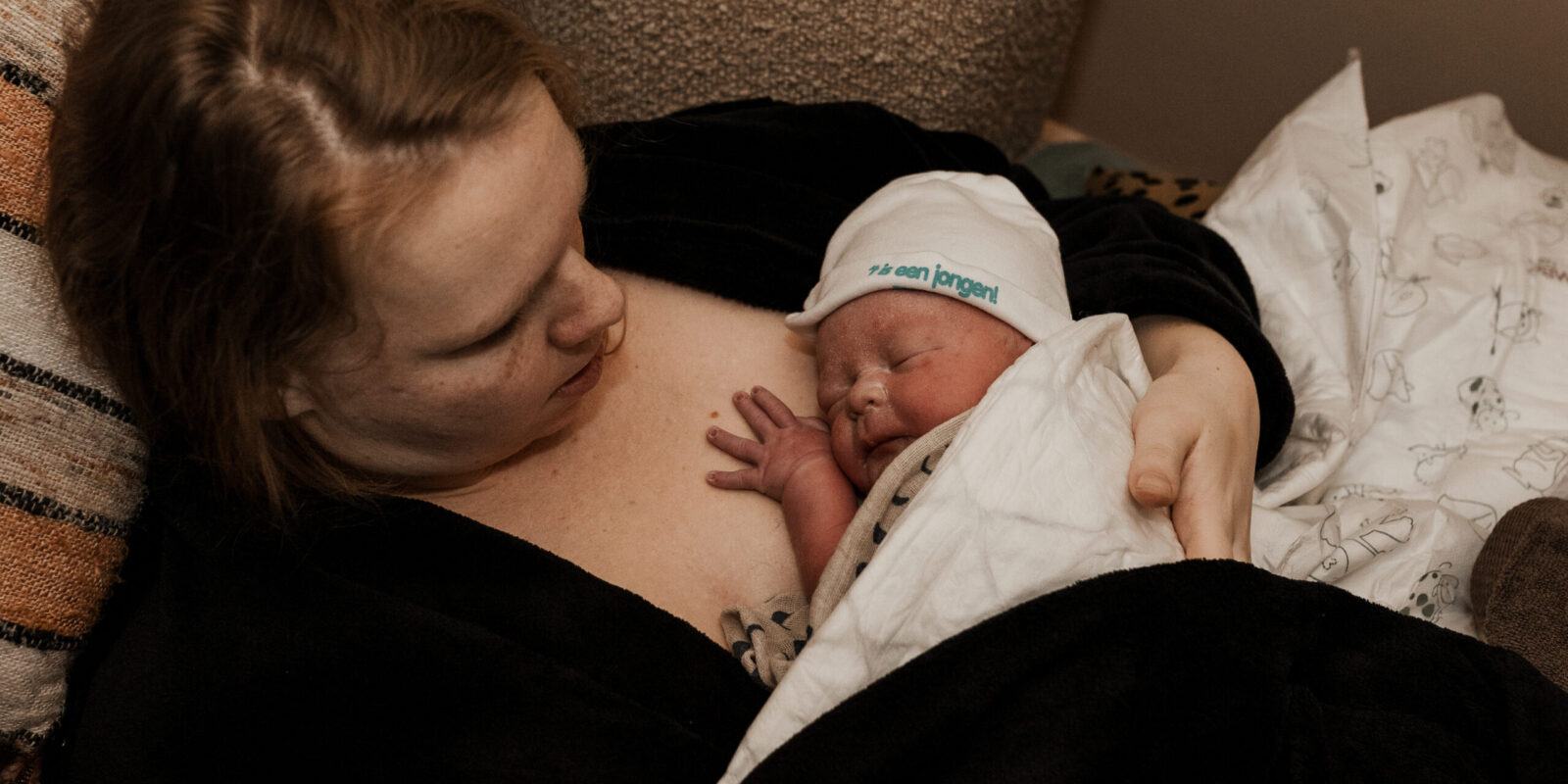

A good start after childbirth is extremely valuable for the mother, baby, and partner. In the Netherlands, the postpartum care provider plays a unique and important role in this regard. In this article, we explain what a postpartum care provider does, when you should arrange postpartum care, and what the difference is between a midwife and a postpartum care provider.
What does a postpartum care provider do?
A postpartum care provider supports your family during the first few days after the birth (the postpartum week). She is there to perform medical observations as well as to offer practical and emotional support.
The main duties of a postpartum care provider
- Checking the Health of the Mother and Baby
- Support for Breastfeeding or Bottle-Feeding
- Providing information and tips on caring for your baby
- Identify any unusual findings and, if necessary, consult with the midwife
- Light household chores (such as making the bed and keeping the living space clean)
- Supporting the partner/family as they adjust to the new situation
A peaceful and safe postpartum period is central to the vision of Verloskundigen Aandelaak. The postpartum care provider works closely with the midwife to ensure this.
👉 Read more about the postpartum period at
/postpartum period/
When should you arrange postpartum care?
It's important to arrange your postpartum care to make arrangements early in the pregnancy . The recommendation is to do this around weeks 8–12 of your pregnancy.
Why so early?
- Postpartum care organizations have limited capacity
- Registering early increases your chances of receiving enough hours of postpartum care
Once you've registered with Verloskundigen Aandelaak, you'll receive information on how to arrange postpartum care and what to keep in mind.
👉 Sign up easily at
/sign in/
What is the difference between a midwife and a postpartum care provider?
Although the midwife and the postpartum care provider work closely together, they have different roles and responsibilities.
The Midwife
The midwife is medically responsible for providing care during:
- the pregnancy
- childbirth
- the initial period after birth
She monitors the health of the mother and baby and makes medical decisions as needed.
👉 Learn more about our support during pregnancy and childbirth:
/
The Postpartum Care Provider
The postpartum care provider is there to provide daily care and support during the postpartum week. She:
- helps with caring for the baby
- supports nutrition
- teaches parents how to care for their baby
- monitors the health of the mother and baby
- provides practical help around the house
While the midwife has ultimate medical responsibility, the postpartum care provider is the one who is there every day to support you in your daily lives.
Collaboration Between Midwives and Postpartum Care Providers
Cooperation between the postpartum care provider and the midwife is essential for a safe postpartum period.
The postpartum care provider:
- detects changes in the health of the mother or baby
- The midwife consults with a colleague in cases of doubt or if there are any unusual circumstances
The midwife also visits regularly for medical checkups and evaluations.
At Verloskundigen Aandelaak, we maintain close communication and provide personalized attention to ensure that you always receive the right care.
Why is postpartum care so important?
Postpartum care contributes to:
- A safe start for mother and baby
- successful (breast)feeding
- greater self-confidence among parents
- Early detection of medical problems
- Rest and Structure During the First Week
It is a unique form of care that is regarded as a model worldwide.
Want to know more?
Would you like to learn more about the postpartum period, childbirth, or support during your pregnancy?
Visit the Verloskundigen Aandelaak knowledge base at:
/knowledge base/
Or contact the practice for personalized advice.