

Jannieke
During the first few weeks of my pregnancy, we ended up at Aan de Laak. Our first thought was, “That’s the place for us!“ And we were right! The first phone call, asking if we could…

Most pregnant women begin their prenatal care with a midwife.
However, there may be a medical reason why you need additional care.
If this is already the case at the start of your pregnancy, the midwife will refer you to an obstetrician for further care. The obstetrician will then take over your care.
Examples of situations where this is the case include when you have an underlying condition such as diabetes or when you find out you are pregnant with, for example, twins.
There are also situations in which both the gynecologist and the midwife provide care and agree together on who will do what. We call that ‘shared care’.
A ‘medical indication’ (i.e., a reason for additional care) can also arise later: during pregnancy, during childbirth, or during the postpartum period.
In all such cases, the midwife refers the patient to a gynecologist for additional care.
In this video, I’ll share a few examples. We can’t cover every possible situation here. Be sure to talk to your midwife about your specific situation!
In some situations, there is an acute condition and additional care is needed urgently. Fortunately, this is not the case in most situations. In those cases, additional care is needed ‘as a precaution.’ Gynecologists and midwives frequently make joint decisions on these matters. They do so through the Midwifery Collaboration Association, which includes gynecologists and midwives, as well as pediatricians, nurses, and postpartum care providers.
During pregnancy, most referrals are ‘preventive.’ This happens, for example, when the baby does not seem to be growing fast enough in the womb, or when you, as a pregnant woman, develop high blood pressure. If you had a cesarean section during a previous delivery, the gynecologist will take over your care from us at the end of your pregnancy and before delivery.
Fortunately, ‘medical indications’ don’t arise very often during the postpartum period.
If this is the case, it’s obviously not ideal, because it’s often a reason for hospitalization. This can happen, for example, if a new mother or a baby develops a fever, or if a baby appears too yellow. To monitor this, the midwife will make a few house calls during the first week after childbirth.
Even during labor, most of the reasons for transferring care to an obstetrician are ‘as a precaution.’ The additional care in such cases includes, among other things, closer monitoring of the baby using a fetal heart rate monitor, or CTG.
A few examples of medical indications related to childbirth may have arisen:
A Introduction Childbirth always takes place in the hospital under close supervision and, therefore, under the responsibility of the obstetrician.
The likelihood of being referred to an obstetrician during labor is higher for first-time mothers than for women who have given birth before.
In 2021, 63% of the women who went into labor with a midwife were referred to an obstetrician during labor.
Of the women who had given birth before, 23.6% were referred to a gynecologist during labor.
There may also be a ‘location indicator’. Your own midwife will still assist with the delivery, but she will do so in a hospital delivery room. You will be referred to a hospital if it is deemed safer not to give birth at home or in a birthing center.
An example of this is when you lost too much blood during a previous delivery or when your placenta had to be removed during surgery.
If there is a emergency situation During childbirth, it’s essential to act quickly. It helps tremendously when healthcare providers know each other, can easily locate one another, and have established clear agreements among themselves.
An emergency can arise, for example, if a mother loses too much blood after the baby is born, or if the baby has a low heart rate before or after birth.
In emergency situations, the midwife calls for help as quickly as possible. An ambulance may be needed to transport the patient to the hospital. In addition, the gynecologist is called and informed of the situation so that the person in need of care can receive the best possible care.
In addition, we always carry medical supplies and medication with us so that we can provide the necessary initial care if needed. Fortunately, the oxygen and CPR kit we always carry with us is rarely needed for CPR on a baby in a home setting. This is, of course, also due to the fact that home births are generally uncomplicated deliveries without medical indications.
In most non-emergency situations, you generally go with own transportation to the hospital. Your midwife will, of course, also take the circumstances into account. For example, if labor isn’t progressing well enough, you can often just fine to go to the hospital in your own car, but if your midwife estimates that you’ll end up stuck in traffic on your way there, that would certainly be a reason to ambulance to call.
If you after giving birth If a woman needs to be taken from home to the hospital because she has suffered a complete tear (in which case the anal sphincter was damaged during the baby’s birth), her midwife will usually call an ambulance for the mother as well. This isn’t because it’s an emergency, but because it’s wiser not to let a mother who has just given birth travel in her own vehicle. If the baby is doing well, he or she will not ride in the ambulance (each ambulance can only transport one patient at a time); the partner will drive on their own and bring the baby in the infant car seat so they can be reunited with Mom as soon as possible! Of course, the midwife and our team will make sure the partner is safely on their way.
As a general rule, when a referral is made during labor, we accompany the patient to the hospital to ensure a smooth handoff, so that the healthcare providers at the hospital can take over her care as effectively as possible.
During the first few weeks of my pregnancy, we ended up at Aan de Laak. Our first thought was, “That’s the place for us!“ And we were right! The first phone call, asking if we could…
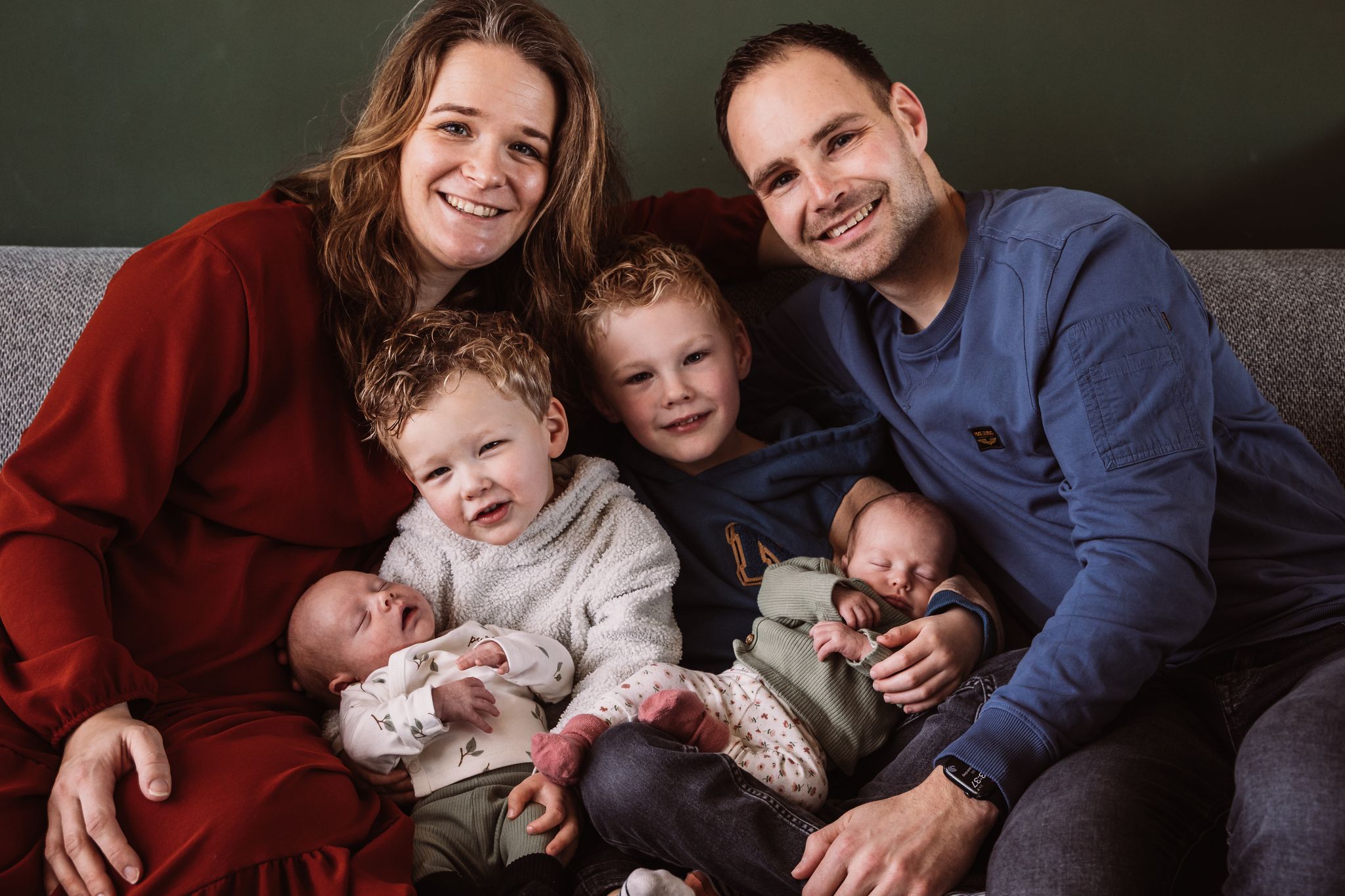
The ladies at Aandelaak were my midwives during three pregnancies. During the first two, I also attended the Centering Pregnancy sessions, which I highly recommend, by the way! The ladies are personable, warm, decisive, friendly, well-informed, and genuine…
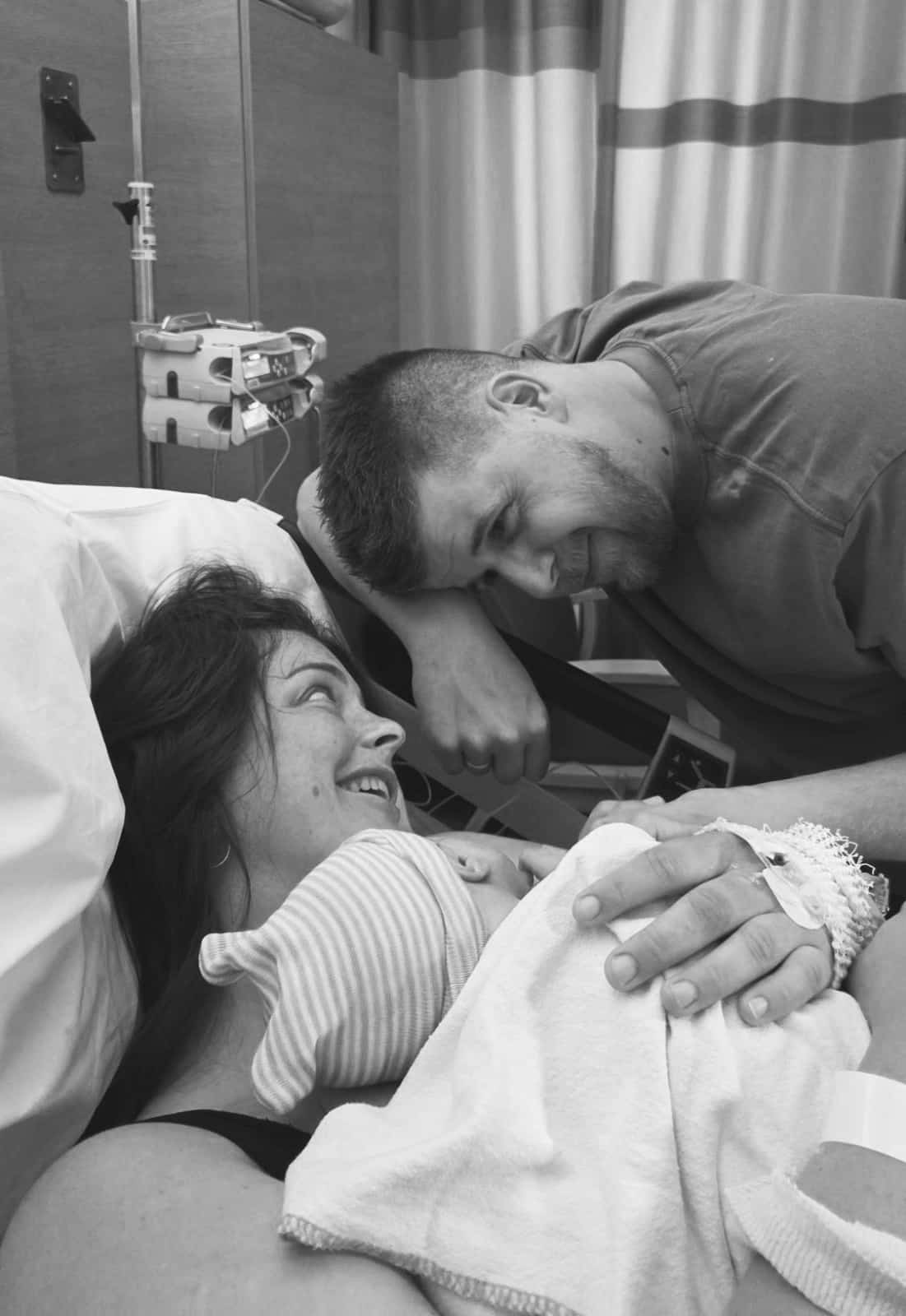
I’m so happy with the ladies at Aan de Laak. I had a challenging high-risk pregnancy, and they supported us incredibly well, both during and after the birth. I also really enjoyed the centering sessions, and we’re still in touch…